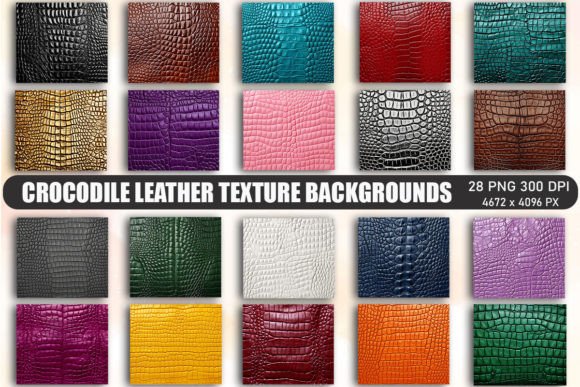
WaterBuffalo Leather Texture Backgrounds Graphics
First Impressions: That Instant “Handmade Luxury” Vibe
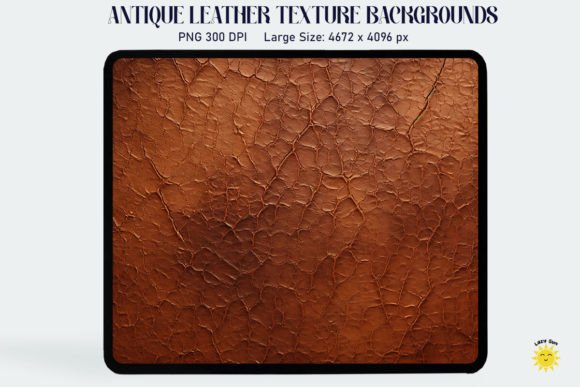
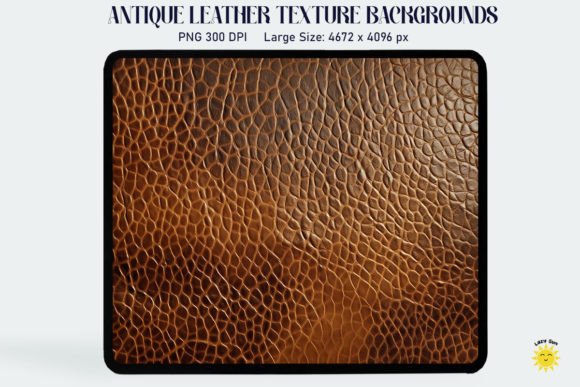
The moment I opened WaterBuffalo Leather Texture Backgrounds, I felt that familiar tingle—the one that says, “Yes, this fits my brand.” It’s not flashy or trendy. It’s grounded, warm, and quietly confident. Think antique book covers, well-loved leather journals, vintage apothecary labels, and rustic wedding invites. This isn’t playful kraft paper or soft linen—it’s distressed leather textures with subtle grain variation, gentle contrast, and just enough weathering to feel authentic without looking worn out. My Etsy shop leans into nostalgic, small-batch goods—custom mugs for coffee lovers, leather-look planner stickers, and gift tags for artisanal soap makers—and this graphic design asset landed like a perfect match. It attracts buyers who value craftsmanship, heritage aesthetics, and tactile warmth—not mass-produced perfection.
Real Crafting Workflows: Where These Backgrounds Shine
I tested WaterBuffalo Leather Texture Backgrounds across six real production scenarios last week alone—and it held up beautifully in most. For my Cricut project designing a limited-run set of tumbler wraps, I layered the background beneath a clean serif quote (“Brewed With Care”) and cut it cleanly on matte vinyl. The texture added depth without interfering with the cut lines. In my Silhouette project for planner sticker sheets, I used the PNG version with transparency to create faux-leather frames around floral icons—no clipping masks needed. For my next Etsy printable collection (a “Cozy Autumn Journal Bundle”), I dropped the background behind hand-lettered prompts and resized it seamlessly from 8.5×11” printables down to 3×4” gift tags. It also worked surprisingly well as a sublimation design base for ceramic mugs—just be sure to preview at 300 DPI and avoid placing fine script text directly over high-contrast grain areas.
Where It Adds Real Value for Handmade Businesses
- Seasonal craft bundles: Paired with copper foil accents and serif typography, it elevated my “Heritage Holiday” digital product line.
- Product mockups: Used in Canva to stage new tote bag designs—customers instantly “felt” the premium texture before ordering.
- Handmade packaging: Printed on kraft cardstock for thank-you cards—added instant cohesion to my unboxing experience.
- Small business branding: Subtly repeated as a watermark behind my logo on Instagram story templates.
- Greeting cards & gift tags: Works best when scaled large—lets the distressed leather textures breathe and read as intentional, not muddy.
Where to Proceed With Thoughtful Craftsmanship
This isn’t a one-size-fits-all clipart shortcut. I learned quickly: WaterBuffalo Leather Texture Backgrounds needs intention. Avoid using it under very small cutting details—like tiny florals or micro-fonts on 1” stickers—as the grain can visually compete and reduce legibility. Don’t layer multiple vinyl colors over it for complex layered vinyl projects; the texture makes alignment trickier and can mute color vibrancy. And skip cramming it into crowded compositions—it’s a mood-setter, not filler. If you’re designing for dark products (black tumblers, navy totes), test how the midtone leather reads—it’s rich but not ultra-high-contrast, so pair it with bold, light-colored text or shapes.
Practical Crafter Notes You’ll Actually Use
Before I added WaterBuffalo Leather Texture Backgrounds to customer-facing products, I ran five quick checks:
- Test the SVG design in Design Space—confirm all paths are clean, no stray nodes, and it scales without distortion.
- Preview the PNG design over white and black backgrounds—check transparency edges and grain consistency.
- Confirm resolution for sublimation: I resized to exactly 300 DPI at final print dimensions—no interpolation blur.
- Test colors first: Printed a swatch on my Epson ET-8500—some leather tones shifted warmer on matte paper vs. glossy.
- Verify commercial license: Yes, it’s included—critical for my Etsy product listings and craft fair inventory.
I also discovered pairing tips through trial: WaterBuffalo Leather Texture Backgrounds loves serif fonts (think Playfair Display) for elegance, handwritten fonts for warmth, and even bold display fonts for contrast—but avoid thin sans serifs unless backed by a solid drop shadow. When resizing for different products (e.g., from mug wrap to printable wall art), I always scale proportionally *from the center*, never stretch. And if a layout feels too busy? Simplify—crop the texture to focus on one quadrant, or overlay a subtle 10% opacity white wash for breathing room.
Why This Graphic Design Asset Fits Your Handmade Business—Not Just Your Design Folder
Let’s be real: most background graphics either look generic or require heavy editing. WaterBuffalo Leather Texture Backgrounds bridges the gap between authenticity and usability. It’s not just another “antique leather backdrop”—it’s a nostalgic leather backdrop with consistent lighting, natural variation, and zero pixelated repetition. For Etsy sellers building cohesive collections, it’s a quiet branding anchor. For craft fair vendors, it helps your booth photos stand out with tactile sophistication. For printable product creators, it adds perceived value without extra illustration work. And for creative entrepreneurs juggling Cricut projects, Silhouette projects, and sublimation design—all while managing real customer orders—it saves time *and* deepens aesthetic integrity. If your handmade business speaks in warmth, memory, and quiet confidence, this graphic design asset doesn’t just support your work—it reinforces your voice.