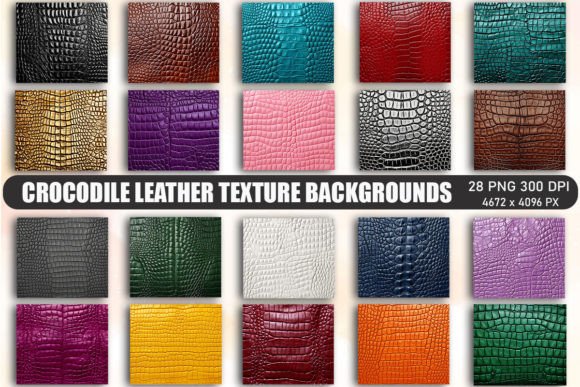
Crocodile Leather Texture Backgrounds Graphics
As a brand designer who’s developed visual identities for over 40 local businesses—from artisanal candle studios in Portland to family-run olive oil labels in Sonoma—I approached Crocodile Leather Texture Backgrounds with both curiosity and caution. Not every “luxury texture” translates well into real-world small business branding. But after testing these 28 high-res PNG files across packaging mockups, social media banners, and product label prototypes for a new line of small-batch leather-bound journals sold at a Nashville boutique, I can say: this asset delivers uncommon versatility—if used intentionally.
A Mood That Says “Crafted, Not Mass-Produced”
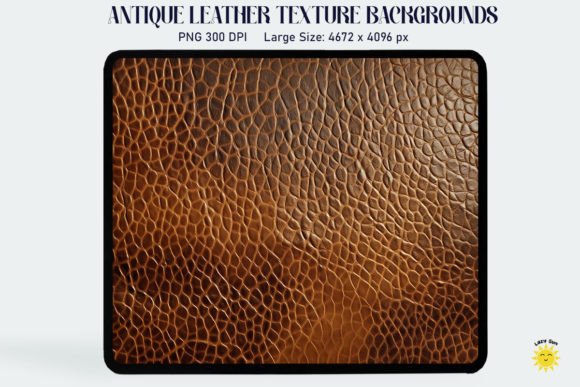
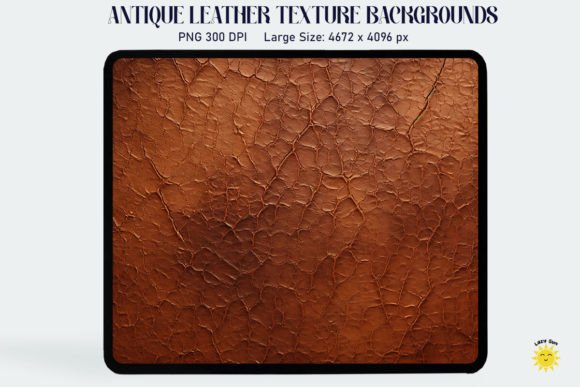
The first impression is tactile, not just visual. These aren’t glossy, synthetic imitations. The subtle scale variation, organic grain depth, and soft shadowing in Crocodile Leather Texture Backgrounds evoke authenticity—like the worn edge of a vintage saddle or the quiet luxury of a handmade wallet. It reads as elegant but grounded, premium but approachable. That duality makes it ideal for brands that balance craftsmanship with warmth: think small-batch skincare lines using locally sourced botanicals, ceramic studios selling hand-thrown mugs, or gourmet spice blends packaged in kraft pouches with foil-stamped accents.
It avoids feeling cold or corporate—so it won’t suit law firms or SaaS startups—but it also steers clear of kitsch. Unlike overly saturated “vintage” textures, these backgrounds retain enough subtlety to support serious typography and clean layout structure. For a local florist launching a premium dried-flower subscription, pairing one of these backgrounds with a delicate serif font and muted sage green created instant visual authority—no logo redesign needed.
Where Crocodile Leather Texture Backgrounds Earn Its Keep
In practice, this graphic design asset shines where texture adds meaning—not decoration. Here’s where it consistently elevated real local business projects:
- Product labels and packaging accents: Used as a subtle base layer behind die-cut windows on soy wax candle jars, it reinforced “hand-poured, small-batch” positioning without overwhelming the minimalist label copy.
- Thank-you cards and hang tags: Printed on uncoated cotton stock, the texture translated beautifully—adding weight and tactility that customers noticed and kept.
- Social media graphics and seasonal campaign visuals: A cropped section became the hero background for an Instagram carousel promoting a holiday gift set—immediately signaling “thoughtful, luxe, local.”
- Printable inserts and boutique signage: Paired with warm-toned photography, it gave a downtown home decor shop’s in-store brochure a cohesive, gallery-like feel.
- Product mockups: Applied non-destructively in Photoshop, it helped clients visualize how their handmade soap bars would look wrapped in textured paper—critical for pre-launch investor buy-in.
What This Asset Builds—Beyond Aesthetics
When applied strategically, Crocodile Leather Texture Backgrounds strengthens core elements of small business branding:
- Stronger first impression: Shelf appeal jumps instantly—especially among crowded retail environments like craft fairs or indie boutiques.
- Better product recognition: Consistent use across labels, web banners, and packaging creates subconscious visual anchoring.
- Clearer visual hierarchy: Its organic density naturally pushes forward bold type or iconography—no extra layout tricks required.
- More consistent brand identity: One texture family works across digital and print, bridging social media graphics, email headers, and physical packaging.
- Improved customer trust: Texture signals care in execution—subtly communicating that the business values detail, quality, and authenticity.
Where to Proceed With Care
This isn’t a universal fix. I’ve seen it misapplied—and the results weakened rather than strengthened the brand. Use Crocodile Leather Texture Backgrounds cautiously when:
- Designing for very small labels (under 2" x 2")—fine grain details vanish, leaving muddy contrast.
- Overlaying dense ingredient lists or regulatory text—its visual weight competes with legibility.
- Supporting strict luxury-minimalist brands (e.g., monochrome skincare with ultra-thin fonts)—it introduces too much narrative noise.
- Working with low-contrast color palettes—test grayscale output first; some files lose definition in black-and-white printing.
- Building formal corporate collateral—its personality leans artisanal, not institutional.
Practical Brand Designer Notes You Can’t Skip
Before committing to Crocodile Leather Texture Backgrounds in client work or your own small business branding:
- Test it on a real packaging mockup—not just screen preview. Print a 3" square on your intended substrate (kraft paper, matte sticker vinyl, etc.).
- Check black-and-white usage: convert to grayscale and zoom to 200%. Does grain still read? Or does it flatten into noise?
- Preview it beside your brand colors—especially deep navy, charcoal, or warm terracotta—to confirm harmony, not clash.
- Compare it against top 3 competitor packaging designs. Does it help you stand out—or blend in?
- Confirm commercial licensing covers physical product sales, not just digital use. Many creative marketplaces restrict resale in packaged goods.
- Inspect transparency: all 28 PNGs include alpha channels, so they drop cleanly onto colored backgrounds—ideal for Canva templates or quick social media graphics.
- Test typography pairings: it holds up beautifully with serif and display fonts, but can overwhelm script or handwritten styles unless scaled back significantly.
For local business owners, handmade sellers, and packaging designers building real-world brands—not just mood boards—Crocodile Leather Texture Backgrounds is more than a decorative graphic design asset. It’s a quiet signal of intentionality. When matched to the right brand voice and applied with restraint, it helps small businesses communicate value before a single word is read. That’s not just design—it’s strategic small business branding, delivered in 28 thoughtful, high-resolution PNGs.