Watercolor Cute Bunny Backgrounds Graphics
First Impressions: Soft, Sweet, and Surprisingly Versatile
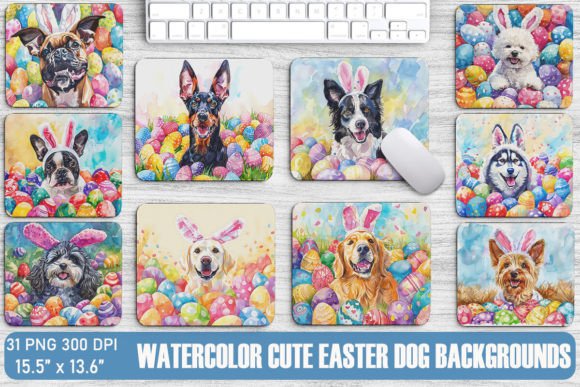
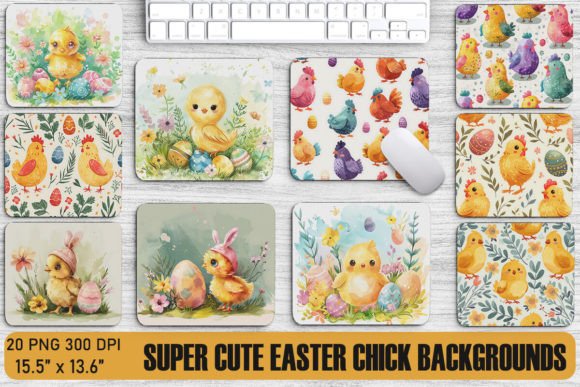
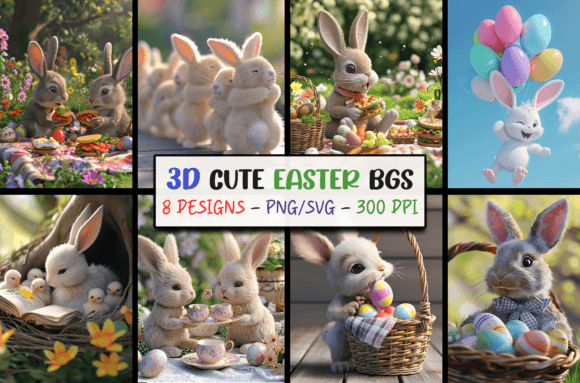
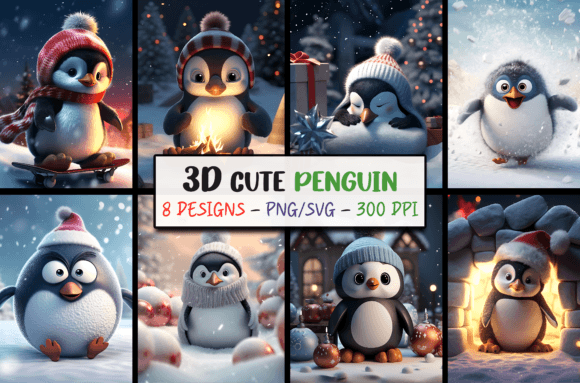
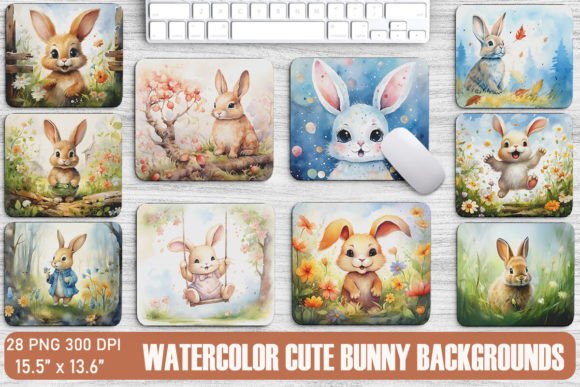
When I opened Watercolor Cute Bunny Backgrounds, I wasn’t expecting to pause mid-scroll—but I did. These aren’t just clipart bunnies slapped onto white squares. They’re painted with gentle washes, subtle granulation, and intentional negative space—each one feels like it was lifted from a hand-illustrated storybook. The mood is undeniably sweet and springlike, but not saccharine: think Easter brunch at a cozy café, not plastic Easter baskets in a big-box store. It’s feminine without being fussy, playful without sacrificing elegance, and warm without leaning into rustic clutter. My ideal customer? A mama entrepreneur selling personalized baby shower favors, a planner sticker shop owner building a “Spring Bloom” collection, or an Etsy seller curating soft-toned gift tags for boutique packaging.
Where These Backgrounds Shine in Real Crafting Workflows
I tested Watercolor Cute Bunny Backgrounds across six real production scenarios—and it held up beautifully in most. For Cricut projects, the PNG files scaled cleanly to 8.5" x 11" for printable party invites and resized crisply down to 3" for vinyl-cut gift tag backdrops. On my Silhouette Cameo, I layered them behind die-cut bunny silhouettes for layered greeting cards—no jagged edges or transparency bleed. As sublimation designs, they printed vibrantly on ceramic mugs and tumblers (especially on light-colored blanks), where the watercolor texture softened harsh digital edges and added artisanal charm. I also used them as tumbler wrap base layers beneath bold script quotes—creating depth without visual competition.
For printable design work, these backgrounds are gold. I dropped them into Canva templates for instant Easter-themed planner pages, birthday party kits, and printable wall art bundles—and they required zero color correction. As part of a seasonal craft bundle, they paired effortlessly with coordinating fonts (a delicate serif for headers, a rounded sans for body text) and minimalist line art elements. And yes—I even used one as a subtle watermark-style backdrop behind my small business branding mockup for Instagram product shots. It elevated the whole aesthetic without shouting for attention.
Smart Use Cases for Handmade Sellers & Creative Entrepreneurs
- Etsy product mockups: Instantly professionalize your listings—especially for stickers, greeting cards, and printable planners.
- Craft fair displays: Print large-format versions as table backdrops or framed mini-art for booth ambiance.
- Personalized items: Layer behind monogrammed initials on tote bags or custom mugs for soft contrast.
- Handmade packaging: Use scaled-down versions on thank-you cards, tissue paper overlays, or sticker seals.
- Seasonal collections: Bundle with matching SVG bunnies or floral accents for Easter, baby showers, or spring markets.
Where to Proceed with Practical Caution
These are backgrounds, not precision cut files—and that’s their strength *and* limitation. Don’t try to use them for ultra-fine vinyl cuts under 1". The watercolor texture blurs delicate lines, and some edges soften unpredictably when rasterized at tiny sizes. I tested one at 0.75" for sticker sheets—it looked lovely on screen but lost definition when printed on glossy vinyl. Also, avoid layering multiple overlapping watercolor bunnies in one composition unless you’re aiming for intentional dreaminess; too many competing textures can feel visually crowded rather than cohesive.
They’re not ideal for high-contrast print-on-demand shirts either—unless you’re printing on cream or oat-colored fabric. On pure black or navy apparel, some lighter washes fade into near-invisibility without careful color adjustment. And while the PNG transparency is clean (no stray pixels!), always preview how the background interacts with your product’s base color—especially for sublimation on polyester blends, where dye migration can mute soft tones.
My Crafter-to-Crafter Checklist Before You Sell
- Test before you batch: Run one file through your full workflow—cut, print, press, or upload—to confirm resolution, transparency, and color fidelity.
- Check licensing: Verify commercial license terms—this matters if you’re selling physical products, digital downloads, or using them in client work.
- Preview on real mockups: Drop the PNG into a high-res mug or sticker mockup (not just a white canvas) to assess balance and scale.
- Simplify when needed: If using for small stickers or labels, crop tightly or add a subtle drop shadow to ensure legibility.
- Pair intentionally: These backgrounds sing with handwritten fonts or airy scripts—but clash with heavy display fonts. Try pairing with a light-weight sans serif for modern contrast.
- Confirm file specs: At ~15.5" wide, these PNGs are print-ready for 12x12 scrapbook layouts and large-format prints—but double-check DPI if scaling beyond standard craft sheet sizes.
Why This Graphic Design Asset Fits Real Handmade Business Needs
Let’s be honest: most “cute bunny” design assets scream mass-produced. Watercolor Cute Bunny Backgrounds doesn’t. It feels handmade—even though it’s digital. That authenticity resonates with buyers who choose small businesses over big-box alternatives. As a graphic design asset, it saves hours of illustration time without sacrificing originality. As a commercial license-ready resource, it supports scalable product creation—from single Etsy orders to seasonal craft fair inventory. And because it’s delivered as 28 distinct PNG files—not one bloated bundle—you can cherry-pick exactly what fits your current project, not wade through irrelevant variations.
If you sell printable planners, run a Cricut-based vinyl shop, design sublimation mugs for local boutiques, or curate themed craft bundles for creative marketplaces—these backgrounds aren’t just decorative. They’re quiet brand-builders. They whisper “thoughtful,” “handmade,” and “intentional” before your customer reads a single word on your label. And in today’s crowded handmade landscape? That kind of subtle differentiation isn’t optional—it’s essential.