Orange Leopard Print Backgrounds
A Designer’s First Glance: Bold, Warm, and Unapologetically Textural
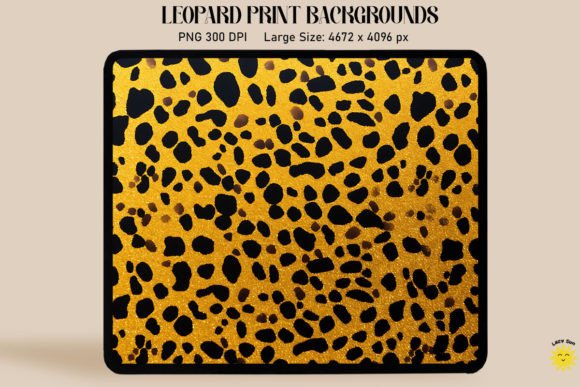
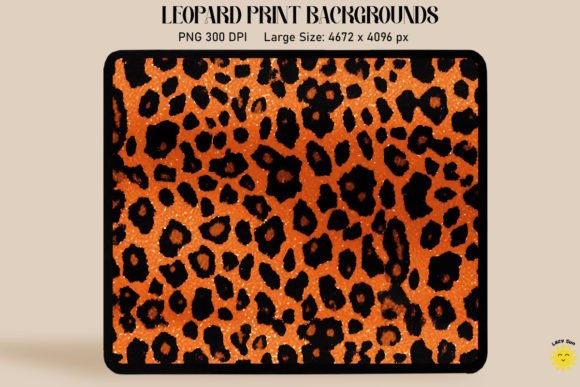
When I opened Orange Leopard Print Backgrounds, my first thought wasn’t “cute” or “trendy”—it was “this has presence.” The warm, saturated orange base isn’t neon or artificial; it’s grounded—like burnt paprika or terracotta clay—while the leopard spots carry subtle variation in size and edge softness. This isn’t a flat, clip-art repeat. It breathes. As a designer who’s stitched hundreds of custom tote bags and nursery pillows, I immediately saw how this background would behave under thread: not as a static backdrop, but as a tactile, dimensional layer beneath satin-stitched monograms or appliquéd animals.
Real-World Test: Stitching It on a Linen-Cotton Kitchen Towel
Last week, I prepped a small-batch holiday run of embroidered tea towels for my local craft co-op. I chose Orange Leopard Print Backgrounds as the base for a minimalist “Bake Joy” script design—printed onto fabric first (as a fused guide), then stitched over with soft ecru rayon thread. The result? A warm, confident piece that felt handmade *and* intentional. Customers didn’t just say “I love the font”—they paused, touched the texture, and asked, “Is that *real* leopard print or something you designed?” That’s the power of a well-balanced graphic background: it elevates the entire finished product without shouting over your embroidery.
Where It Shines—and Where to Pause
Orange Leopard Print Backgrounds excels in projects where warmth, personality, and visual richness matter most:
- Custom apparel: Works beautifully on midweight sweatshirts and structured totes—especially when paired with clean, bold lettering or simple floral motifs.
- Baby and nursery items: Surprisingly soothing on organic cotton swaddles or linen crib skirts—softened by gentle fabric drape and careful thread choice.
- Embroidered patches: Holds up well at 3–4" sizes when digitized with moderate fill stitch density and clear spot definition.
- Holiday and gift-ready pieces: Adds instant energy to personalized oven mitts, aprons, or pillow covers—no extra embellishment needed.
- Digital product previews: Renders crisply in printable mockups for Etsy listings, especially on light neutral garments or lifestyle flat lays.
But let’s be practical: Orange Leopard Print Backgrounds isn’t a one-size-fits-all solution. Avoid using it full-scale on:
- Tiny hoop areas (under 3")—the spot detail blurs, losing its organic rhythm.
- Highly textured fabrics like bouclé or thick terry cloth—where the pattern can visually compete with surface texture.
- Thin or stretchy knits (e.g., lightweight jersey) without proper cutaway stabilizer—the orange base may show through or distort during hooping.
- Dark fabric unless you’re prepared to adjust thread contrast intentionally (e.g., cream or mustard top thread over navy).
- Curved surfaces like caps or beanies—resize carefully and test placement; the pattern’s scale shifts dramatically near seams and crowns.
What It Does for Your Craft Business—Beyond Aesthetics
As an Etsy seller and small shop owner myself, I pay attention to what makes customers linger, click “add to cart,” and leave five-star reviews. Orange Leopard Print Backgrounds subtly boosts perceived value—not because it’s flashy, but because it signals thoughtful curation. When layered under a hand-digitized name or tiny embroidered heart, it tells buyers: *This wasn’t rushed. This was chosen.* That builds trust faster than any description box.
It also strengthens brand consistency across product lines. Use it on a matching set—tea towel + oven mitt + apron—and you’ve created cohesion without repeating the same motif. For digital product sellers, it’s versatile design assets material: pair it with editable SVG overlays, use it as a base for seasonal bundles (“Fall Leopard Collection”), or include it in a “Stitch-Ready Background Pack” for fellow embroiderers.
Designer Notes You’ll Actually Use
Before stitching Orange Leopard Print Backgrounds into your next project, here’s what I do—and recommend:
- Test on scrap fabric first, especially if using textured or dark materials—observe how the orange tone reads under your lighting and thread.
- Check thread color contrast by stitching a small sample patch in both light and dark thread against your intended base fabric.
- Review stitch density if converting to machine embroidery design—dense fills can overwhelm the leopard texture; consider open satin or strategic running stitch accents instead.
- Confirm hoop size compatibility before scaling—remember, the PNG is approx 4672 x 4096 px at 300 DPI, so resizing down too far risks pixelation in fine details.
- Inspect corners and edges when placing—leopard patterns don’t always tile seamlessly; rotate or crop slightly to avoid awkward repeats.
- Try a black-and-white mockup to assess contrast and legibility, especially if pairing with text-based embroidery.
- Use appropriate stabilizer—medium-weight cutaway works best for woven fabrics; tear-away for stable linens; avoid basic iron-on for high-detail areas.
- Verify licensing terms before selling finished products or bundling digitally—since only PNG files are included, confirm commercial use rights directly with the creator.
Final Thought: Not Just Background—A Quiet Confidence Boost
Orange Leopard Print Backgrounds doesn’t try to be everything. It’s not minimalist. It’s not vintage. It’s not pastel or gender-neutral. It’s warm, vivid, and quietly sophisticated—like choosing the perfect spice blend for a recipe you’ve made a hundred times. In a sea of safe, predictable backgrounds, it’s the one that makes your embroidered patch feel bolder, your baby onesie feel more intentional, and your Etsy listing stand out—not because it shouts, but because it *settles in* with confidence. Use it where you want your handmade product to feel unmistakably *yours*.