African Pattern Backgrounds 1 Graphics
First Impression: Bold, Warm, and Culturally Grounded
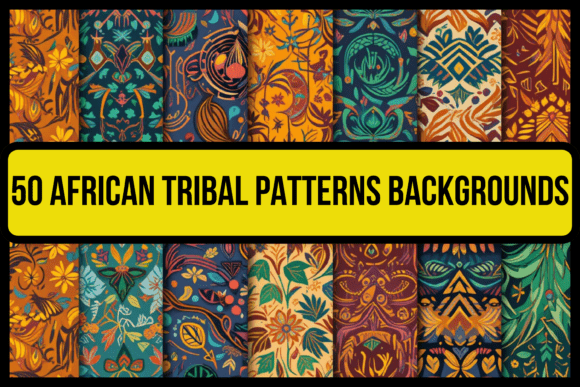
Opening African Pattern Backgrounds 1 felt like stepping into a sunlit artisan studio—vibrant, intentional, and deeply rooted. These graphics aren’t just decorative; they carry rhythm, symbolism, and warmth drawn from traditional African textiles, beadwork, and tribal art. For a local business—say, a handmade soap brand sourcing shea butter from Ghana or a coffee roastery highlighting Ethiopian beans—African Pattern Backgrounds 1 instantly signals authenticity, craftsmanship, and cultural respect. It reads as bold yet approachable, celebratory without being loud, and handmade without sacrificing polish. It leans feminine and festive but holds its own in gender-neutral contexts like home decor or children’s product packaging.
Where This Graphic Design Asset Earns Its Place
In real small business branding, African Pattern Backgrounds 1 shines where visual storytelling meets tangible touchpoints. I recently used it for a boutique candle brand launching a “Harvest Moon” seasonal collection—hand-poured soy candles with baobab and clove. We applied the pattern as a subtle border on kraft paper labels, layered beneath clean sans-serif typography. The result? Immediate shelf appeal, stronger product recognition, and a cohesive thread across thank-you cards, Instagram story highlights, and printable gift tags. It also worked beautifully as a background for a limited-edition product mockup shown on the website banner—adding richness without overwhelming the candle’s minimalist shape.
- Product labels: Adds texture and narrative to otherwise flat kraft or white labels—especially effective behind short brand names or icons.
- Packaging accents: Perfect for die-cut sticker overlays, hang tags, or ribbon-printed wraps on gift boxes.
- Social media graphics: Serves as a dynamic base for quote cards, launch announcements, or behind-the-scenes reels—boosting engagement through visual warmth.
- Printable design assets: Works seamlessly in Canva templates for farmers’ market flyers, seasonal price lists, or boutique window posters.
- Brand identity extensions: When paired thoughtfully with a simple logo mark, it reinforces cultural alignment without dictating the entire system.
Why Local Businesses Gain Trust—and Sales—with Thoughtful Use
Customers don’t just buy products—they buy meaning. African Pattern Backgrounds 1 supports that meaning by anchoring your brand in something genuine and visually resonant. When used consistently across packaging design, social media graphics, and in-store signage, it builds clearer visual hierarchy and more consistent brand identity. That consistency translates directly to improved customer trust: shoppers recognize your jar of chili sauce or bundle of dried lavender not just by color, but by the confident rhythm of the pattern framing it. For food businesses and handmade sellers especially, this asset helps signal care, origin, and intention—key drivers in today’s values-led marketplace.
Smart Application Zones (and Where to Pause)
This graphic design asset excels in hero visuals, decorative brand elements, and seasonal campaign graphics—think holiday gift wrap patterns, summer festival banners, or floral shop thank-you cards with a soft watercolor overlay. It adds dimension to product mockups and gives printable design assets instant character.
Use carefully—or avoid—in formal corporate branding, ingredient-dense food labels (where legibility is non-negotiable), or luxury minimalist brands leaning into monochrome restraint. It’s also less ideal for very small labels (under 2" x 2") unless scaled and simplified first—fine details can blur in print or digital thumbnails. Never place critical legal text or nutrition facts directly over dense areas without testing contrast and readability.
Practical Brand Designer Notes You’ll Actually Use
Before committing African Pattern Backgrounds 1 to final files, run these checks:
- Test it on real packaging mockups—not just screen previews—to assess how scale, bleed, and material (kraft, matte white, recycled board) affect impact.
- Convert to grayscale to confirm tonal balance—some vibrant patterns lose definition when printed black-and-white on receipts or stamps.
- Preview at 25% size: Does the core motif still read clearly on a 1.5" hang tag or sticker?
- Layer it beside your brand colors: Does it enhance or compete? Try overlaying light opacity (10–20%) for subtlety.
- Compare side-by-side with top 3 competitor packaging designs—does it help you stand out *with purpose*, not just noise?
- Check print quality: If using PNG, verify resolution is 300 DPI at intended dimensions; if SVG, confirm vector paths are clean and editable in Illustrator.
- Test typography pairings: It harmonizes beautifully with sturdy sans-serifs (like Montserrat or Inter), gentle serifs (Cormorant Garamond), and even restrained script fonts—but avoid overly ornate display fonts that clash rhythmically.
- Verify commercial licensing: Ensure the license explicitly covers physical product sales, client work, and digital marketing—no gray areas when building a local business’s brand identity.
Beyond Decoration: A Strategic Branding Tool
African Pattern Backgrounds 1 isn’t clipart—it’s a culturally informed design asset with functional weight. Used intentionally, it strengthens first impressions, elevates handmade business credibility, and turns everyday marketing visuals into memorable moments. Whether you’re a florist designing Easter bouquet tags, a skincare brand launching a new line of marula oil serums, or a food truck creating vibrant menu boards, this set delivers both aesthetic energy and strategic clarity. It reminds us that small business branding isn’t about chasing trends—it’s about choosing design assets that reflect who you are, honor where your materials come from, and resonate with the community you serve.